
iOS 觀察者模式實戰:從 NSNotificationCenter 到 KVO
任何高階語言都離不開幾個高頻設計模式。在 iOS 開發中與我們最常打交道的,莫過於單例、觀察者與工廠這三個。本文就把觀察者模式講清楚。
本質是發布—訂閱
觀察者模式的本質是一種發布—訂閱模型,用來消除行為各異的物件之間的耦合。透過它,不同物件可以協同工作,也能被複用到別處。Observer 向 Subject 訂閱通知,ConcreteObserver 實作 Observer 並覆寫其 update 方法;一旦 Subject 需要通知任何變更,它就向內部註冊的 Observer 發送 update 訊息,ConcreteObserver 在 update 的實作中取得 Subject 的內部狀態並做後續處理。
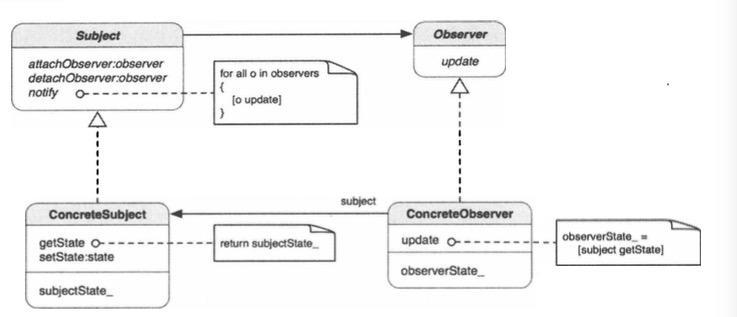
換句話說,觀察者模式定義了一種一對多的依賴關係:當一個物件的狀態改變,所有依賴它的物件都會收到通知並自動更新。
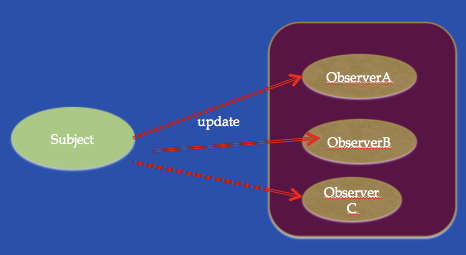
用 N 個 Observer 去擴充 Subject 的行為,每個 Observer 各自持有處理 Subject 資訊的特定實作,耦合就這樣被消掉了。
什麼時候該用它
- 需要把某個改變通知給一批物件,但你不知道這些物件的具體型別;
- 改變發生在同一個物件中,需要讓其他未知數量的物件同步更新相關狀態。
在 Cocoa Touch 中,KVO 與通知中心其實都是觀察者模式的實作,所以接下來就聚焦這兩個。
NSNotificationCenter
NSNotificationCenter 與 NSNotification 構成一對多模型,讓彼此不認識的物件也能通訊。
發送通知:
NSNotification *subjectMessage = [NSNotification notificationWithName:@"subjectMessage" object:self];
NSNotificationCenter *notificationCenter = [NSNotificationCenter defaultCenter];
[notificationCenter postNotification:subjectMessage];
向 NSNotificationCenter 發送 defaultCenter 可取得實例引用。每個進程只有一個預設通知中心,因此它是單例。
註冊觀察:
NSNotificationCenter *notificationCenter1 = [NSNotificationCenter defaultCenter];
[notificationCenter addObserver:self
                       selector:@selector(update:)
                           name:@"subjectMessage"
                         object:nil];
實作回呼:
- (void)update:(NSNotification *)notification {
    if ([[notification name] isEqualToString:@"subjectMessage"]) {
        NSLog(@"%@", @"猴子派來的救兵去哪了?");
    }
}
別忘了註銷:
- (void)dealloc {
    [[NSNotificationCenter defaultCenter] removeObserver:self];
}
動手實作觀察者模式
抽象主題協議:
#import <Foundation/Foundation.h>

@class Observer;

@protocol Subject <NSObject>

@required

// 增加觀察者
- (void)attach:(Observer *)observer;

// 移除觀察者
- (void)detach:(Observer *)observer;

// 為觀察者發送通知
- (void)notifyObservers;

@end
觀察者協議:
#import <Foundation/Foundation.h>

@protocol Observer <NSObject>

@required
- (void)update;

@end
具體觀察者:
#import <Foundation/Foundation.h>
#import "Observer.h"

@interface ConcreteObserver : NSObject <Observer>

@end
具體主題:
#import <Foundation/Foundation.h>
#import "Subject.h"

@interface ConcreteSubject : NSObject <Subject>
{
    NSMutableArray *observers;
}

@property (nonatomic, strong) NSMutableArray *observers;

// 單例方式取得自身
+ (ConcreteSubject *)shareConcreteSubject;

@end
KVO:鍵值觀察
KVO 是 Cocoa 提供的鍵值觀察機制,物件可以藉此取得其他物件特定屬性的變更通知。它基於 NSKeyValueObserving 非正式協議,Cocoa 透過它為遵循協議的物件提供自動化的屬性監聽能力。
通知與 KVO 都能實現觀察者模式,但側重點不同:通知由一個中心物件統一發布,關心的是廣義上的程式事件;KVO則是被觀察物件直接通知觀察者,綁定的是特定屬性的值。
先準備一個模型:
@property (nonatomic, copy)   NSString *name;
@property (nonatomic, copy)   NSString *title;
@property (nonatomic, assign) NSUInteger age;
初始化並賦值:
self.hero = [[Hero alloc] init];
self.hero.name = @"趙雲";
self.hero.title = @"將軍";
self.hero.age = 87;
註冊觀察 name 的變化,並要求同時回傳新舊值:
[self.hero addObserver:self
              forKeyPath:@"name"
                 options:NSKeyValueObservingOptionNew | NSKeyValueObservingOptionOld
                 context:nil];
觸發變更:
- (void)touchesBegan:(NSSet *)touches withEvent:(UIEvent *)event {
    self.hero.name = @"張飛";
}
在回呼中處理:
- (void)observeValueForKeyPath:(NSString *)keyPath
                       ofObject:(id)object
                         change:(NSDictionary *)change
                        context:(void *)context {
    if ([keyPath isEqualToString:@"name"]) {
        NSLog(@"賦值後--%@", self.hero.name);
        NSLog(@"新的值--%@", change[@"new"]);
        NSLog(@"以前的值--%@", change[@"old"]);
    }
}
回呼輸出:
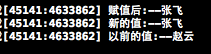
最後記得在 dealloc 中移除觀察,否則會出現懸空指針式的崩潰:
- (void)dealloc {
    [self.hero removeObserver:self forKeyPath:@"name"];
}
接下來還能往哪走
以上是 KVO 與通知最基礎的用法。後續值得繼續挖掘的方向還很多:例如把 iOS 的 delegate、Block 放在一起對比,梳理出完整的訊息傳遞機制;或者看看 Swift 中 didSet / willSet 這種語言層級的屬性監聽,與 KVO 的 runtime 實作有什麼異同。這些都是很值得玩味的題目。