詳解iOS中Button按鈕的狀態和點擊事件
一、按鈕的狀態
1.UIControlStateNormal
1> 除開UIControlStateHighlighted、UIControlStateDisabled、UIControlStateSelected以外的其他情況,都是normal狀態
2> 這種狀態下的按鈕【可以】接收點擊事件
2.UIControlStateHighlighted
1> 【當按住按鈕不松開】或者【highlighted = YES】時就能達到這種狀態
2> 這種狀態下的按鈕【可以】接收點擊事件
3.UIControlStateDisabled
1> 【button.enabled = NO】時就能達到這種狀態
2> 這種狀態下的按鈕【無法】接收點擊事件
4.UIControlStateSelected
1> 【button.selected = YES】時就能達到這種狀態
2> 這種狀態下的按鈕【可以】接收點擊事件
二、讓按鈕無法點擊的2種方法
1> button.enabled = NO;
*【會】進入UIControlStateDisabled狀態
2> button.userInteractionEnabled = NO;
*【不會】進入UIControlStateDisabled狀態,繼續保持當前狀態
三、iOS中按鈕點擊事件處理方式
在iOS開發中,時常會用到按鈕,通過按鈕的點擊來完成界面的跳轉等功能。按鈕事件的實現方式有多種,其中
較為常用的是目標-動作對模式。但這種方式使得view與controller之間的耦合程度較高,不推薦使用;
另一種方式是代理方式,按鈕的事件在view中綁定,controller作為view的代理實現代理方法。
目標-動作對實現方式
具體來說,假設我們有一個包含一個Button的veiw,view將Button放在頭文件中,以便外部訪問。然後controller將view作為自己的view,在viewcontroller中實現按鈕的點擊事件。
文字描述起來好像不夠直觀,直接上代碼
1、MyView.h
包含一個可被外部訪問的按鈕的view
@interface MyView : UIView

@property (strong, nonatomic) UIButton *myBtn;

@end
2、MyView.m
#import "MyView.h"

@implementation MyView
//view的初始化方法
- (id)initWithFrame:(CGRect)frame
{
 self = [super initWithFrame:frame];
 if (self)
 { //初始化按鈕
 _myBtn = [[UIButton alloc] initWithFrame:CGRectMake(140, 100, 100, 50)];
 _myBtn.backgroundColor = [UIColor redColor];
 //將按鈕添加到自身
 [self addSubview:_myBtn];
 }
 return self;
}

@end
3、MyViewController.h
#import <UIKit/UIKit.h>

@interface MyViewController : UIViewController

@end
4、MyViewController.m
添加MyView作為自身view
#import "MyViewController.h"
#import "MyView.h"

@interface MyViewController ()

@property (strong, nonatomic) MyView *myview;

@end

@implementation MyViewController

- (void)loadView
{
 MyView *myView = [[MyView alloc] initWithFrame: [[UIScreen mainScreen] bounds] ];
 self.view = myView;
 self.myview = myView;

 //在controller中設置按鈕的目標-動作,其中目標是self,也就是控制器自身,動作是用目標提供的BtnClick:方法,
 [self.myview.myBtn addTarget:self
    action:@selector(BtnClick:)
  forControlEvents:UIControlEventTouchUpInside];
}

//MyView中的按鈕的事件
- (void)BtnClick:(UIButton *)btn
{
 NSLog(@"Method in controller.");
 NSLog(@"Button clicked.");
}
5、 AppDelegate.m
 #import "AppDelegate.h"
#import "MyViewController.h"

@interface AppDelegate ()

@end

@implementation AppDelegate

- (BOOL)application:(UIApplication *)application didFinishLaunchingWithOptions:(NSDictionary *)launchOptions {

 self.window = [ [UIWindow alloc] initWithFrame: [[UIScreen mainScreen] bounds ] ];

 MyViewController *myVC = [[MyViewController alloc] init];
 self.window.rootViewController = myVC;

 self.window.backgroundColor = [UIColor whiteColor];
 [self.window makeKeyAndVisible];

 return YES;
}
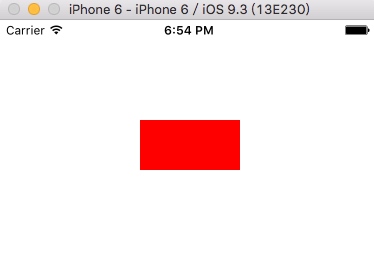
6、運行結果
界面:
輸出:

總結
以上就是這篇文章的全部內容了,希望能對大家的學習或者工作帶來一定的幫助,如果有疑問大家可以留言交流。