
iOS Runtime 方法交換(Method Swizzle)實作與注意事項
編輯:iOS 開發綜合
Method Swizzling 是 Objective-C Runtime 提供的能力,可以在執行期把兩個方法的實作互相替換。最常見的用途是替系統類別「打補丁」,例如替 NSArray 加上越界防護。
基礎:交換方法的工具方法
#import@implementation NSObject (Extension) // 交換類別方法 + (void)swizzleClassMethod:(Class)cls originSelector:(SEL)originSelector otherSelector:(SEL)otherSelector { Method otherMethod = class_getClassMethod(cls, otherSelector); Method originMethod = class_getClassMethod(cls, originSelector); method_exchangeImplementations(otherMethod, originMethod); } // 交換實例方法 + (void)swizzleInstanceMethod:(Class)cls originSelector:(SEL)originSelector otherSelector:(SEL)otherSelector { Method otherMethod = class_getInstanceMethod(cls, otherSelector); Method originMethod = class_getInstanceMethod(cls, originSelector); method_exchangeImplementations(otherMethod, originMethod); } @end
實戰:替 NSArray 加上越界防護
@implementation NSArray (Extension)

+ (void)load
{
    [self swizzleInstanceMethod:NSClassFromString(@"__NSArrayI")
                 originSelector:@selector(objectAtIndex:)
                  otherSelector:@selector(hm_objectAtIndex:)];
}

- (id)hm_objectAtIndex:(NSUInteger)index
{
    if (index < self.count)
    {
        // 交換之後,這裡呼叫的其實是原本系統的實作
        return [self hm_objectAtIndex:index];
    }
    else
    {
        return nil;
    }
}

@end


@implementation NSMutableArray (Extension)

+ (void)load
{
    Class cls = NSClassFromString(@"__NSArrayM");

    [self swizzleInstanceMethod:cls
                 originSelector:@selector(addObject:)
                  otherSelector:@selector(hm_addObject:)];

    [self swizzleInstanceMethod:cls
                 originSelector:@selector(objectAtIndex:)
                  otherSelector:@selector(hm_objectAtIndex:)];
}

- (void)hm_addObject:(id)object
{
    if (object != nil)
    {
        [self hm_addObject:object];
    }
    // 傳入 nil 時靜默忽略,避免原本的 exception
}

- (id)hm_objectAtIndex:(NSUInteger)index
{
    if (index < self.count)
    {
        return [self hm_objectAtIndex:index];
    }
    else
    {
        return nil;
    }
}

@end
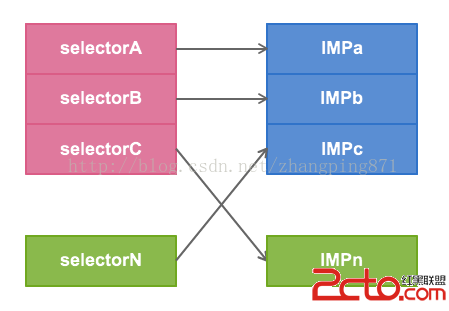
幾個必須理解的前提
命名慣例很重要。方法名前綴(這裡是 hm_)可以避免與系統或第三方庫的既有方法相撞。這不是風格問題,而是實際的 crash 風險。
為什麼要拆成 __NSArrayI 與 __NSArrayM?不可變陣列與可變陣列在底層是兩個不同的私有類別,各自實作了自己的 objectAtIndex:。只 swizzle 其中一個,另一個仍會 crash。
務必在 +load 中執行。+load 會在類別被載入時呼叫,此時 Runtime 已完成初始化,是最安全的時機。若在 +initialize 或其他時機執行,可能出現競爭條件。
回傳 nil 只是權宜之計。越界時回傳 nil 讓程式不會 crash,但呼叫端通常預期拿到有效物件,後續很可能在別處出問題,反而更難 debug。較穩妥的做法是回傳 nil 的同時印出完整呼叫堆疊,方便定位是哪裡寫錯了索引。
系統私有類別名稱不是穩定 API。__NSArrayI、__NSArrayM 屬於實作細節,蘋果有權在任何版本變更。這類 swizzle 上線前務必在每個支援的 iOS 版本上實測。
- 上一篇文章: iOS 以 Objective-C 封裝二進位通訊協議的完整實作
- 下一篇文章: iOS 載入網路圖片:四種寫法與效能差異實測比較